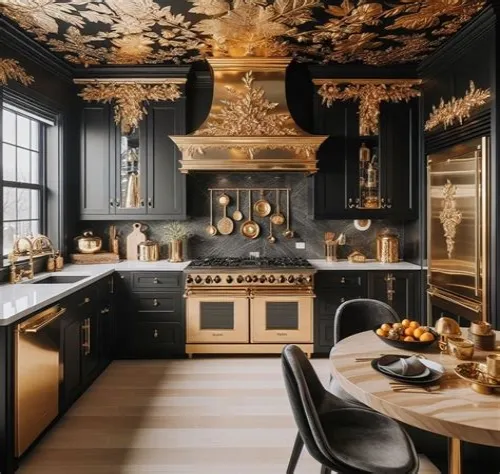
As you step into the grand foyer of a luxury architectural masterpiece home, your eyes are immediately drawn to the intricate gold leaf accents and details that adorn every corner. From the ornate crown molding to the hand-painted ceilings, each element exudes opulence and sophistication. These homes are not just houses; they are works of art, meticulously crafted to showcase the epitome of luxury living. Gold leaf, a material associated with wealth and royalty for centuries, adds a touch of glamour and extravagance to every room it graces. Whether it's a custom-made chandelier dripping in gold or a gilded mirror reflecting the beauty of the surroundings, these homes spare no expense in creating a truly lavish living experience. Step inside these palatial residences and immerse yourself in a world where luxury knows no bounds and every detail is designed to impress.
History of Gold Leaf Accents in Architecture
Gold leaf accents in architecture have a rich history that dates back thousands of years. The use of gold leaf in architectural design can be traced back to ancient civilizations such as the Egyptians, Greeks, and Romans. These cultures utilized gold leaf to adorn their temples, palaces, and monuments, symbolizing wealth, power, and divinity. In ancient Egypt, gold leaf was used to decorate the tombs of pharaohs and other important figures. The Egyptians believed that gold was a symbol of eternal life and the gods, making it the perfect material for adorning their sacred structures. The famous burial mask of King Tutankhamun, for example, is adorned with intricate gold leaf details, showcasing the opulence and grandeur of ancient Egyptian craftsmanship. Similarly, the Greeks and Romans also incorporated gold leaf accents into their architectural designs. The Greeks used gold leaf to embellish their temples, statues, and pottery, adding a touch of luxury and sophistication to their creations. The Romans, known for their love of grandeur and excess, used gold leaf to decorate their palaces, villas, and public buildings, showcasing their wealth and power to the world. During the Renaissance period in Europe, the use of gold leaf in architecture reached new heights. Italian architects and artists such as Filippo Brunelleschi, Donatello, and Leonardo da Vinci utilized gold leaf to adorn cathedrals, palaces, and paintings, creating a sense of grandeur and magnificence that defined the era. The intricate gold leaf details on the dome of the Florence Cathedral, for example, are a testament to the skill and craftsmanship of Renaissance artisans. In more recent history, the use of gold leaf in architecture has continued to thrive. From the gilded palaces of Versailles to the ornate ceilings of the Sistine Chapel, gold leaf accents have remained a symbol of luxury and extravagance in architectural design. In modern times, architects and designers continue to incorporate gold leaf into their projects, adding a touch of glamour and sophistication to contemporary structures. One notable example of gold leaf accents in modern architecture is the Burj Al Arab hotel in Dubai. The sail-shaped structure is adorned with gold leaf details, reflecting the opulence and luxury of the city's skyline. The use of gold leaf in the design of the Burj Al Arab serves as a nod to the ancient tradition of using gold as a symbol of wealth and prestige in architecture. Overall, the history of gold leaf accents in architecture is a testament to the enduring appeal of this luxurious material. From ancient civilizations to modern-day masterpieces, gold leaf has continued to captivate and inspire architects, designers, and art enthusiasts around the world. Its timeless beauty and symbolic significance make it a truly timeless element in architectural design.Techniques for Applying Gold Leaf in Architectural Design
Gold leaf application is an intricate and delicate process that requires skill and precision to achieve the desired luxurious finish in architectural design. There are several techniques commonly used by artisans and craftsmen to apply gold leaf in architectural details, each with its own unique characteristics and effects.
One of the most traditional methods of applying gold leaf is known as water gilding, which involves using a mixture of water, gelatin, and alcohol to adhere the gold leaf to the surface. This technique is particularly well-suited for intricate and ornate designs, as the water-based adhesive allows for greater control and precision during application.
Another popular technique is oil gilding, where a layer of oil-based adhesive is used to attach the gold leaf to the surface. Oil gilding is often preferred for outdoor applications or areas exposed to moisture, as the oil-based adhesive provides a more durable and weather-resistant finish.
For larger surfaces or architectural elements, such as ceilings or columns, the method of mordant gilding may be employed. In this technique, a layer of adhesive known as mordant is applied to the surface before the gold leaf is laid down. Mordant gilding is ideal for covering large areas efficiently and evenly, creating a seamless and luxurious finish.
When it comes to achieving a distressed or antique look with gold leaf, the technique of patina gilding is often used. This involves applying a patina solution to the gold leaf after it has been laid down, creating an aged or weathered appearance that adds character and depth to the architectural detail.
Stencil gilding is another technique commonly used in architectural design, where stencils are used to create intricate patterns or motifs with gold leaf. This method allows for precise and consistent designs to be achieved quickly and efficiently, making it a popular choice for decorative elements such as borders, friezes, or ceiling medallions.
In addition to these traditional techniques, modern advancements in technology have also introduced new methods of applying gold leaf in architectural design. One such innovation is the use of transfer leaf, which comes in pre-backed sheets that can be easily applied to the surface with the help of a special adhesive. Transfer leaf is particularly useful for large-scale projects or areas with complex shapes, as it allows for a faster and more uniform application of gold leaf.
Overall, the techniques for applying gold leaf in architectural design are diverse and versatile, offering a range of options to achieve different effects and finishes. Whether it's water gilding for intricate details, oil gilding for durability, or stencil gilding for decorative patterns, each method contributes to the creation of luxurious and exquisite architectural masterpieces that showcase the beauty and opulence of gold leaf accents and details.
Benefits of Gold Leaf Accents in Luxury Homes
Gold leaf accents in luxury homes offer a multitude of benefits that contribute to the overall opulence and grandeur of the architectural masterpiece. These exquisite details elevate the aesthetic appeal of the home, creating a sense of luxury and sophistication that is unparalleled. Let's delve into the various advantages of incorporating gold leaf accents in luxury homes:
1. Elegance and Timelessness: Gold has long been associated with wealth, luxury, and elegance. The use of gold leaf accents in architectural details such as moldings, ceilings, and furnishings adds a touch of timeless beauty to the home. The shimmering gold finish exudes a sense of grandeur and sophistication that never goes out of style.
2. Enhances Visual Appeal: Gold leaf accents have a unique ability to catch and reflect light, creating a stunning visual impact in luxury homes. Whether used sparingly as a highlight or lavishly as a dominant feature, gold leaf accents draw the eye and create a sense of intrigue and allure.
3. Adds a Touch of Luxury: Gold leaf accents are synonymous with luxury and extravagance. By incorporating these lavish details into the design of a home, it instantly elevates the space to a new level of opulence. Gold leaf accents signify a level of exclusivity and refinement that is highly sought after in luxury real estate.
4. Customization and Personalization: Gold leaf accents can be customized to suit the unique style and preferences of the homeowner. From intricate patterns and designs to subtle touches of gold, the possibilities are endless. This level of customization allows homeowners to create a truly bespoke living space that reflects their individual taste and personality.
5. Increases Resale Value: Luxury homes with gold leaf accents often command higher resale values in the real estate market. The presence of these luxurious details adds a premium touch to the property, making it more desirable to potential buyers. Gold leaf accents can set a home apart from others on the market and attract discerning buyers who appreciate the finer things in life.
6. Symbol of Prestige: Gold has long been a symbol of wealth, power, and prestige. By incorporating gold leaf accents into the design of a luxury home, it conveys a sense of status and exclusivity. Homeowners who choose to include gold leaf accents in their architectural masterpiece demonstrate a commitment to luxury living and a refined taste that sets them apart from the rest.
7. Historical Significance: Gold leaf has been used in architecture and design for centuries, with a rich history dating back to ancient civilizations. By incorporating this traditional material into modern luxury homes, it pays homage to the craftsmanship and artistry of the past while adding a touch of nostalgia and charm to the contemporary design.
In conclusion, the benefits of gold leaf accents in luxury homes are abundant and far-reaching. From enhancing visual appeal and adding a touch of luxury to increasing resale value and symbolizing prestige, gold leaf accents play a vital role in creating architectural masterpiece homes that exude elegance and sophistication.
Examples of Architectural Masterpieces with Gold Leaf Details
Gold leaf accents and details have been used in architectural masterpieces throughout history to add a touch of luxury, opulence, and grandeur to homes. These intricate details elevate the design of a property and create a sense of timeless elegance. Here are some examples of architectural masterpieces with gold leaf details:
Versailles Palace, France
The Versailles Palace in France is a prime example of a historical architectural masterpiece that features extensive use of gold leaf details. Built in the 17th century, the palace is known for its lavish interior decorations, including ornate gold leaf accents on ceilings, walls, and furniture. The Hall of Mirrors, one of the most iconic rooms in the palace, showcases intricate gold leaf work that reflects light and creates a mesmerizing effect.
The Breakers, Newport, Rhode Island
The Breakers mansion in Newport, Rhode Island, is a Gilded Age architectural masterpiece that boasts opulent gold leaf details throughout its interior. Built in the late 19th century for the Vanderbilt family, the mansion features elaborate gold leaf embellishments on ceilings, moldings, and fixtures. The grand ballroom, with its soaring ceilings adorned with gold leaf, is a stunning example of the luxurious aesthetic of the time.
Palais Garnier, Paris
The Palais Garnier in Paris is a stunning example of Beaux-Arts architecture with intricate gold leaf details that adorn its opulent interiors. The grand staircase, adorned with gold leaf motifs and intricate carvings, leads to the ornate auditorium with its gilded balconies and ceiling. The Palais Garnier is a true masterpiece of architectural design, showcasing the beauty and grandeur of gold leaf accents.
The Plaza Hotel, New York City
The Plaza Hotel in New York City is a luxurious architectural masterpiece that features gold leaf details in its iconic Grand Ballroom. The ballroom's ceiling is adorned with delicate gold leaf decorations that add a touch of glamour and sophistication to the space. The Plaza Hotel is a prime example of how gold leaf accents can elevate the design of a property and create a sense of timeless elegance.
Villa Leopolda, French Riviera
Villa Leopolda, located on the French Riviera, is a stunning architectural masterpiece with extensive use of gold leaf details throughout its interior. The grand entrance hall features a domed ceiling adorned with intricate gold leaf motifs, creating a sense of grandeur and luxury. The villa's opulent design, including gold leaf accents on walls, ceilings, and furniture, showcases the timeless elegance of this architectural gem.
These examples highlight how gold leaf accents and details can enhance the beauty and grandeur of architectural masterpieces, creating a luxurious and opulent living space that is truly one-of-a-kind.
Gold leaf accents and details have long been associated with luxury and opulence in architecture, and this article showcases how they are being incorporated into modern architectural masterpiece homes for sale. The use of gold leaf adds a touch of elegance and grandeur to the homes, creating a sense of luxury and sophistication for potential buyers. From intricate ceiling designs to ornate moldings and fixtures, the gold leaf details in these homes are truly stunning and eye-catching.
One key takeaway from the article is the meticulous craftsmanship and attention to detail that goes into incorporating gold leaf into architectural designs. It requires skilled artisans and craftsmen to apply the delicate gold leaf in a way that enhances the overall aesthetic of the home. Another takeaway is the timeless quality of gold leaf accents, which add a sense of history and tradition to modern architectural designs.
Overall, the use of gold leaf accents in luxury architectural masterpiece homes for sale adds a unique and luxurious touch that sets these homes apart from the rest. It speaks to a sense of refined taste and appreciation for the finer things in life, making these homes truly exceptional and desirable for those looking for the ultimate in luxury living.