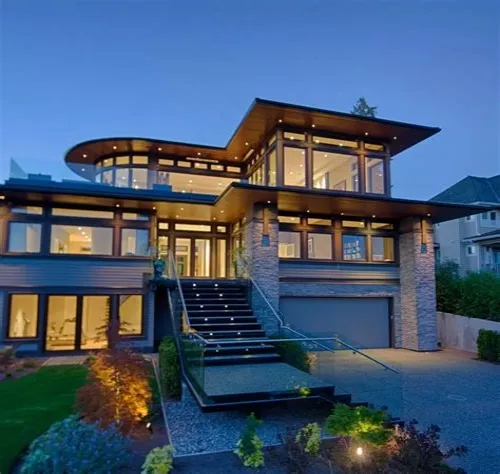
In the world of luxury modern contemporary homes, one trend is shining brighter than the rest - sun-deflecting architecture. These innovative designs not only add a touch of sophistication to the exterior of the home but also serve a practical purpose by keeping the interior cool and comfortable. Imagine stepping into a sleek, stylish home where the sun's harsh rays are effortlessly blocked, allowing you to bask in the natural light without feeling the heat. These homes are not only a marvel of modern engineering but also a testament to the creativity and ingenuity of architects and designers. If you're in the market for a luxury home that seamlessly blends form and function, then look no further than these sun-deflecting masterpieces that are redefining contemporary living. Let's delve into the world of sun-deflecting architecture and discover how these homes are setting a new standard for luxury living.
Importance of Sun Deflecting Architecture
Sun deflecting architecture plays a crucial role in modern contemporary homes, especially in luxury properties. The importance of integrating sun deflecting features into the design of a home goes beyond just aesthetics, as it significantly impacts the comfort, energy efficiency, and overall functionality of the living space.
One of the key benefits of sun deflecting architecture is its ability to regulate the temperature inside the home. By strategically placing elements such as overhangs, louvers, and shading devices, architects can reduce the amount of direct sunlight that enters the building, thus minimizing heat gain during the hot summer months. This not only helps to create a more comfortable indoor environment but also reduces the reliance on air conditioning systems, leading to lower energy bills and a smaller carbon footprint.
Furthermore, sun deflecting architecture can also enhance the natural lighting within a home. By properly positioning windows, skylights, and reflective surfaces, designers can maximize the penetration of natural light into the living spaces, reducing the need for artificial lighting during the day. This not only improves the overall ambiance of the home but also contributes to energy savings and promotes the well-being of the occupants.
In addition to improving thermal comfort and natural lighting, sun deflecting architecture can also protect the interior furnishings and finishes from sun damage. Direct sunlight can cause fading and deterioration of materials such as wood, fabrics, and artwork. By implementing sun shading strategies, homeowners can preserve the quality and longevity of their investments, ensuring that their luxury property remains in pristine condition for years to come.
Moreover, sun deflecting features can also enhance the visual appeal of a modern contemporary home. Elements such as brise soleil, pergolas, and trellises not only serve a functional purpose but also add a sense of sophistication and elegance to the architectural design. These features can be customized to complement the overall style of the home, creating a harmonious blend of form and function that sets luxury properties apart from conventional residences.
In conclusion, the importance of sun deflecting architecture in luxury modern contemporary homes cannot be overstated. From improving thermal comfort and energy efficiency to enhancing natural lighting and protecting interior finishes, sun shading strategies play a vital role in creating a comfortable, sustainable, and aesthetically pleasing living environment. By incorporating these features into the design of their homes, homeowners can enjoy a host of benefits that elevate their lifestyle and enhance the value of their property.
Innovative Techniques for Sun Deflection
Architects and designers of luxury modern contemporary homes are constantly exploring innovative techniques for sun deflection to create comfortable living spaces that are energy-efficient and sustainable. These techniques not only help in reducing the heat gain in the interiors but also enhance the aesthetic appeal of the building.
One of the key techniques used in sun deflection is the incorporation of shading devices such as brise soleil, louvers, and sunshades. Brise soleil, a French term meaning "sun breaker," is an architectural feature consisting of horizontal or vertical fins that provide shade by deflecting sunlight. Louvers are similar to brise soleil but are adjustable, allowing for greater control over the amount of sunlight entering the space. Sunshades, on the other hand, are fixed or retractable structures that block direct sunlight while still allowing for natural light to filter through.
Another popular technique for sun deflection is the use of high-performance glazing systems. Low-emissivity (Low-E) coatings, spectrally selective coatings, and insulated glazing units are some of the advanced glazing technologies that help in reducing solar heat gain and improving thermal comfort. These glazing systems not only provide protection against UV radiation but also enhance the overall energy efficiency of the building.
Green roofs and living walls are also effective strategies for sun deflection in luxury modern contemporary homes. Green roofs consist of vegetation planted on the roof surface, which helps in absorbing sunlight and reducing heat transfer to the building. Living walls, on the other hand, are vertical gardens that not only provide shade but also improve air quality and biodiversity. These green features not only contribute to sun deflection but also promote sustainability and environmental conservation.
Innovative materials such as phase-change materials (PCMs) and electrochromic glass are also being used in luxury modern contemporary homes for effective sun deflection. PCMs are substances that absorb and release heat during the process of melting and solidifying, helping in regulating indoor temperatures and reducing the need for mechanical cooling. Electrochromic glass, on the other hand, can change its tint in response to sunlight, thereby controlling the amount of glare and heat entering the space.
Case studies of luxury modern contemporary homes that have successfully implemented innovative techniques for sun deflection showcase their effectiveness in improving occupant comfort and reducing energy consumption. For example, the Al Bahr Towers in Abu Dhabi feature a dynamic shading system inspired by the traditional Arabic mashrabiya, which reduces solar heat gain by up to 50% while maintaining views and daylighting.
Overall, the adoption of innovative techniques for sun deflection in luxury modern contemporary homes not only enhances the architectural design but also promotes sustainability, energy efficiency, and occupant well-being. Architects and designers continue to push boundaries and explore new technologies to create living spaces that are not only aesthetically pleasing but also environmentally responsible.
Benefits of Sun Deflecting Architecture in Luxury Homes
Sun deflecting architecture in luxury homes offers a plethora of benefits that go beyond just aesthetics. These innovative design techniques not only enhance the visual appeal of a property but also significantly improve the overall living experience for residents. Below are some of the key advantages of incorporating sun deflecting architecture in luxury modern contemporary homes:
1. Energy Efficiency: One of the primary benefits of sun deflecting architecture is its ability to improve energy efficiency. By strategically positioning windows, shades, and other architectural elements, designers can minimize the amount of direct sunlight that enters the home, thus reducing the need for excessive air conditioning during hot summer months. This can lead to substantial cost savings on energy bills in the long run.
2. Comfort: Sun deflecting architecture helps create a more comfortable indoor environment by reducing glare and preventing overheating. By controlling the amount of natural light that enters a space, residents can enjoy a more pleasant and consistent temperature throughout the day, without the need for constant adjustments to blinds or curtains.
3. Health Benefits: Excessive exposure to sunlight can have negative effects on human health, such as skin damage and eye strain. Sun deflecting architecture helps protect residents from harmful UV rays while still allowing for ample natural light to brighten up the living spaces. This balance is crucial for maintaining a healthy and comfortable living environment.
4. Preservation of Interior Furnishings: Direct sunlight can cause fading and damage to interior furnishings, such as carpets, upholstery, and artwork. Sun deflecting architecture helps protect these valuable items by minimizing their exposure to harsh sunlight, thus prolonging their lifespan and maintaining their aesthetic appeal over time.
5. Sustainable Design: Sun deflecting architecture is a key component of sustainable design practices. By reducing the reliance on artificial lighting and cooling systems, luxury homes with sun deflecting features can significantly lower their carbon footprint and contribute to a more eco-friendly living environment. This aligns with the growing trend of environmentally conscious architecture in the luxury real estate market.
6. Enhanced Privacy: In addition to its functional benefits, sun deflecting architecture can also enhance privacy within a home. By strategically positioning windows and shading devices, designers can create secluded outdoor spaces and prevent unwanted views from neighboring properties, adding an extra layer of luxury and exclusivity to the living experience.
Overall, the benefits of sun deflecting architecture in luxury modern contemporary homes are multifaceted and impactful. From energy efficiency and comfort to health benefits and sustainability, these design techniques play a crucial role in shaping the future of luxury living spaces.
Integration of Sun Deflecting Features in Contemporary Home Designs
Incorporating sun deflecting features in contemporary home designs has become a crucial aspect of creating sustainable, energy-efficient, and comfortable living spaces. Architects and designers are constantly exploring innovative ways to integrate these features seamlessly into the overall aesthetic of luxury modern homes.
One of the key strategies used in contemporary home designs is the strategic placement of windows, overhangs, and shading devices to minimize direct sunlight exposure and reduce heat gain. Large windows are often strategically positioned to maximize natural light while minimizing solar heat gain, with the use of low-emissivity coatings or tinted glass to further control heat transfer.
Architects also utilize overhangs, awnings, pergolas, and louvers to provide shade and control the amount of sunlight entering the home. These elements not only help reduce the reliance on artificial lighting and cooling systems but also create visually appealing architectural features that enhance the overall design of the home.
Another common technique in contemporary home designs is the use of reflective surfaces such as light-colored roofing materials, exterior finishes, and window treatments. These surfaces help to bounce sunlight away from the home, reducing heat absorption and keeping indoor spaces cooler during hot summer months.
Green roofs and living walls are also gaining popularity in modern luxury homes as they not only provide natural insulation and improve air quality but also help to reduce heat transfer and mitigate the urban heat island effect. These features not only contribute to energy savings but also add a touch of greenery and tranquility to the overall design.
Advancements in building materials and technology have also led to the development of innovative sun-deflecting solutions such as dynamic glazing systems, smart shading controls, and solar-responsive facades. These systems can automatically adjust to changing sunlight conditions, optimizing natural light and thermal comfort while minimizing energy consumption.
Case studies of luxury modern homes with integrated sun-deflecting features showcase the successful implementation of these strategies. For example, the Solar Umbrella House in Venice, California, designed by Pugh + Scarpa Architects, features a dynamic shading system that responds to the sun's movement, providing optimal daylighting and thermal comfort throughout the day.
Similarly, the Shapeshifter House in Reno, Nevada, designed by OPA Architects, incorporates a series of operable fins and louvers that adjust to control solar heat gain and maximize natural ventilation. This innovative design not only enhances the aesthetic appeal of the home but also significantly reduces energy consumption.
Overall, the integration of sun-deflecting features in contemporary home designs is essential for creating sustainable, energy-efficient, and comfortable living spaces. By combining passive design strategies, advanced technologies, and innovative materials, architects and designers can create luxury modern homes that not only prioritize environmental responsibility but also offer a high level of comfort and sophistication for homeowners.
Overall, the implementation of sun deflecting architecture in luxury modern contemporary homes for sale offers a multitude of benefits for homeowners. By utilizing innovative design strategies such as shading devices, reflective materials, and strategic orientation, these homes are able to maintain comfortable temperatures, reduce energy consumption, and enhance overall sustainability. Additionally, the incorporation of these features not only improves the environmental impact of the homes but also elevates their aesthetic appeal and market value. Furthermore, the emphasis on natural light and ventilation in these homes creates a harmonious and healthy living environment for residents. As the demand for sustainable and energy-efficient homes continues to rise, the integration of sun deflecting architecture in luxury modern contemporary homes represents a significant step towards a more sustainable future in the real estate industry. Ultimately, these homes serve as a prime example of how innovative design practices can not only enhance the quality of living for residents but also contribute to a more sustainable and environmentally conscious society.