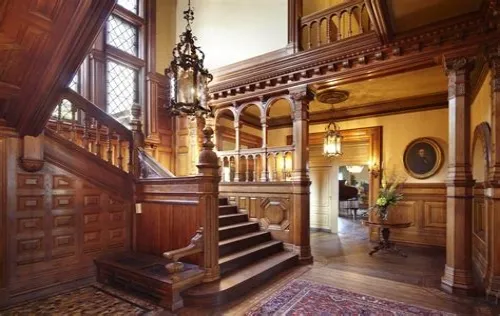
Step inside the lavish world of luxury historic homes and mansions, where every corner is adorned with intricate hand-carved details that tell a story of opulence and grandeur. From ornate crown moldings to delicately carved staircases, these historic properties exude a timeless elegance that is unmatched by modern constructions. Each room is a masterpiece in itself, showcasing the craftsmanship and attention to detail that went into creating these architectural wonders. As you wander through the halls of these magnificent estates, you can't help but be transported back in time to an era of aristocracy and sophistication. Join us on a journey through these exquisite homes, where every hand-carved detail is a testament to the artistry and craftsmanship of a bygone era.
History of Hand Carved Details
Hand carved details have been an integral part of architecture and design for centuries, dating back to ancient civilizations such as the Egyptians, Greeks, and Romans. The art of hand carving intricate designs and patterns into various materials has been passed down through generations, evolving and adapting to different cultural influences and design styles.
During the Renaissance period in Europe, hand carved details reached new heights of craftsmanship and artistry. Skilled artisans created elaborate carvings in wood, stone, and marble, adorning the interiors of palaces, cathedrals, and grand estates. These hand carved details were not only decorative but also symbolic, often depicting religious, mythological, or historical themes.
In the 17th and 18th centuries, hand carved details became synonymous with luxury and opulence, particularly in the design of grand homes and mansions for the aristocracy and wealthy elite. Ornate wood paneling, intricate moldings, and elaborate staircases with hand carved balusters became status symbols, showcasing the wealth and social standing of their owners.
One of the most famous examples of hand carved details in historic homes is the Palace of Versailles in France. Built during the reign of Louis XIV, the palace features stunning examples of hand carved woodwork, including the iconic Hall of Mirrors with its intricately carved paneling and gilded details. The craftsmanship and artistry of the hand carvings at Versailles set a standard for luxury and elegance that has inspired designers and architects for centuries.
Hand carved details continued to be a prominent feature in architecture throughout the 19th and 20th centuries, with the Arts and Crafts movement and Art Nouveau movement emphasizing the importance of craftsmanship and handmade elements in design. Artisans such as Gustav Stickley and Charles Rennie Mackintosh created furniture and architectural details with intricate hand carvings, showcasing the beauty of natural materials and craftsmanship.
Today, hand carved details are still highly sought after in luxury historic homes and mansions for sale. Homebuyers and collectors value the craftsmanship and artistry of hand carved woodwork, stone carvings, and decorative moldings as unique features that add character and charm to a property. Whether it's a grand staircase with hand carved banisters, a fireplace mantle with intricate carvings, or a ceiling with ornate plasterwork, hand carved details continue to captivate and inspire those who appreciate fine craftsmanship.
Significance of Hand Carved Features in Luxury Homes
Hand-carved details in luxury homes are not just decorative elements; they are a testament to the craftsmanship, artistry, and attention to detail that went into the construction of these historic properties. These intricate features add a sense of grandeur, elegance, and sophistication to the interiors, making them truly stand out from modern homes.
One of the main reasons why hand-carved features are highly valued in luxury homes is their uniqueness. Each piece is meticulously crafted by skilled artisans, ensuring that no two homes are exactly alike. This level of exclusivity appeals to discerning buyers who are looking for a one-of-a-kind property that reflects their individual style and taste.
Hand-carved details also harken back to a bygone era when craftsmanship and quality were paramount. In historic homes and mansions, these features serve as a reminder of the rich architectural heritage and tradition that has been passed down through generations. They tell a story of the past, adding character and charm to the home.
Moreover, hand-carved features in luxury homes are a symbol of luxury and opulence. From ornate moldings and cornices to intricately carved staircases and fireplace mantels, these details elevate the overall aesthetic of the property, creating a sense of grandeur and sophistication that is unmatched by mass-produced homes.
One of the most striking examples of hand-carved features in luxury homes can be seen in the grand mansions of the Gilded Age. During this period in the late 19th century, wealthy industrialists and magnates commissioned renowned architects and craftsmen to build lavish homes that showcased their wealth and status.
For instance, the Biltmore Estate in Asheville, North Carolina, features an impressive array of hand-carved details, including intricate wood paneling, elaborate ceiling moldings, and ornate fireplaces. These features were crafted by skilled artisans using traditional techniques that have been preserved and passed down through the years.
In addition to their aesthetic appeal, hand-carved features in luxury homes also hold significant value in terms of investment. Properties with well-preserved historic details, such as hand-carved woodwork and architectural elements, tend to retain their value and appreciate over time. Buyers are willing to pay a premium for homes with unique and authentic features that cannot be replicated in newer construction.
Overall, hand-carved details play a crucial role in defining the character and charm of luxury historic homes and mansions. They are not just decorative elements but symbols of craftsmanship, tradition, and sophistication that set these properties apart from the rest. In a world where mass production and cookie-cutter homes are the norm, hand-carved features provide a sense of exclusivity and timeless elegance that continues to captivate buyers seeking a truly exceptional living experience.
Techniques and Materials Used in Hand Carving
Hand carving is a labor-intensive and highly skilled craft that has been used for centuries to create intricate and beautiful details inside luxury historic homes and mansions. The techniques and materials used in hand carving play a crucial role in determining the quality and aesthetic appeal of these architectural features.
One of the most common techniques used in hand carving is relief carving. This involves carving away material from a flat surface to create a design that stands out from the background. Relief carving can range from simple geometric patterns to elaborate scenes with intricate details. Skilled artisans use a variety of tools such as chisels, gouges, and mallets to carefully sculpt the wood or stone into the desired shape.
Another popular technique is chip carving, which involves removing small chips of material to create a textured pattern. This technique is often used for decorative borders, ornamental panels, and intricate motifs. Chip carving requires precision and attention to detail, as even the slightest mistake can ruin the overall design.
Materials used in hand carving can vary depending on the desired effect and the skill of the artisan. Wood is a common material for hand carving due to its versatility and ease of manipulation. Hardwoods such as oak, mahogany, and walnut are often used for their durability and rich color. Softwoods like pine and cedar are also popular choices for their affordability and ease of carving.
Stone is another material that is frequently used in hand carving, particularly for architectural details such as columns, cornices, and fireplace mantels. Marble, limestone, and sandstone are commonly used for their strength and beauty. Stone carving requires specialized tools such as chisels, hammers, and rasps to shape the stone into intricate designs.
Metal carving is less common but can be found in luxury historic homes and mansions with ornate metalwork. Brass, bronze, and iron are often used for decorative elements such as stair railings, door handles, and light fixtures. Metal carving requires specialized tools such as engraving tools, files, and polishing compounds to create intricate designs and patterns.
Artisans who specialize in hand carving often undergo years of training to master their craft. They must have a keen eye for detail, exceptional hand-eye coordination, and a deep understanding of materials and techniques. Many artisans learn through apprenticeships with master carvers or through formal education programs in fine arts or sculpture.
In conclusion, hand carving is a time-honored tradition that continues to be valued in luxury historic homes and mansions for its ability to add beauty, elegance, and sophistication to interior spaces. The techniques and materials used in hand carving play a crucial role in creating unique architectural details that are both visually stunning and culturally significant.
Impact of Hand Carved Details on Property Value
Hand-carved details in luxury historic homes and mansions have a significant impact on property value. These intricate and unique features add character, charm, and craftsmanship to a property, making it stand out from other homes on the market. The level of detail and artistry that goes into hand-carved elements can greatly enhance the overall aesthetic appeal and perceived value of a home.
One of the key ways in which hand-carved details contribute to property value is through the sense of history and tradition they bring to a home. Many historic homes and mansions feature hand-carved woodwork, such as intricate moldings, paneling, and mantels, that have been meticulously crafted by skilled artisans. These elements not only showcase the craftsmanship of a bygone era but also add a sense of authenticity and heritage to a property, which can be a major selling point for buyers looking for a home with character and history.
Additionally, hand-carved details can also enhance the overall elegance and luxury of a home. Whether it's a grand staircase with ornate hand-carved balusters, a custom-built library with intricate woodwork, or a beautifully carved fireplace mantel, these features can elevate the aesthetic appeal of a property and create a sense of opulence and sophistication. Buyers are often willing to pay a premium for homes that exude luxury and craftsmanship, making hand-carved details a valuable asset when it comes to property valuation.
Furthermore, hand-carved details can increase the perceived quality and craftsmanship of a home, which can have a direct impact on its market value. Buyers are often willing to pay more for homes that have been meticulously crafted with attention to detail, as these properties are seen as higher quality and more desirable. Hand-carved elements can also add a sense of exclusivity and uniqueness to a property, making it more attractive to potential buyers and helping it stand out in a competitive real estate market.
Case studies have shown that properties with hand-carved details tend to command higher sale prices compared to similar homes without these features. For example, a historic mansion with intricately carved woodwork throughout the home may sell for significantly more than a comparable property with standard finishes. In some cases, the presence of hand-carved details can even lead to bidding wars among buyers who are willing to pay a premium for a home with unique and luxurious features.
In conclusion, hand-carved details inside luxury historic homes and mansions play a crucial role in determining property value. These unique and exquisite features not only add charm, character, and elegance to a home but also enhance its overall appeal and desirability. Buyers are often willing to pay more for homes with hand-carved elements, making them a valuable investment for homeowners looking to maximize their property's value.
Overall, the article highlights the exquisite hand-carved details found inside luxury historic homes and mansions that are currently on the market. These intricate carvings add a touch of elegance and sophistication to the properties, showcasing the craftsmanship and attention to detail of the past. From ornate staircases to decorative mantels, these hand-carved features serve as a reminder of the rich history and architectural significance of these homes. The article also emphasizes how these unique details can set these properties apart from modern homes, offering a sense of character and charm that is hard to replicate. Additionally, the article discusses how these hand-carved details can increase the value of these homes, attracting buyers who appreciate the artistry and craftsmanship of a bygone era. In conclusion, the hand-carved details inside these luxury historic homes and mansions not only add to their aesthetic appeal but also serve as a testament to the timeless beauty and enduring quality of these architectural treasures.