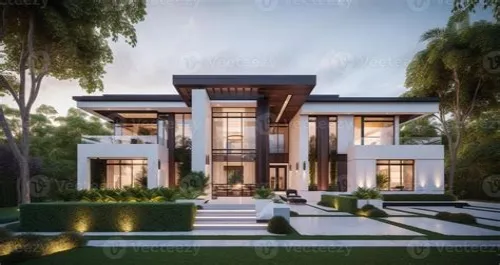
Step into a world where opulence knows no bounds, where luxury reigns supreme, and where architectural masterpieces stand as testaments to the epitome of sophistication. These homes for sale are not just mere properties; they are exquisite works of art that exude class and elegance in every corner. From sprawling mansions with grand ballrooms to sleek modern villas with panoramic views, each home in this exclusive collection is a showcase of pure opulence. Imagine marble floors, crystal chandeliers, and designer furnishings that rival those of five-star hotels. Picture infinity pools, private cinemas, and meticulously landscaped gardens that offer a retreat from the hustle and bustle of everyday life. As you browse through these extraordinary properties, prepare to be mesmerized by the sheer luxury and grandeur that await you in each and every architectural masterpiece.
History of Luxury Architecture
Luxury architecture has a rich history that dates back centuries, evolving alongside advancements in technology, design principles, and cultural influences. Throughout history, architecture has been a reflection of societal values, power dynamics, and artistic expression.
One of the earliest examples of luxury architecture can be traced back to ancient civilizations such as the Egyptians, Greeks, and Romans. These civilizations built grand structures like the pyramids, temples, and amphitheaters that showcased their wealth, power, and cultural achievements. The intricate detailing, use of precious materials, and grand scale of these structures set the foundation for what would later be considered luxury architecture.
During the Renaissance period in Europe, luxury architecture reached new heights with the construction of elaborate palaces, cathedrals, and public buildings. Architects like Filippo Brunelleschi, Andrea Palladio, and Christopher Wren revolutionized the field with their innovative designs, incorporating classical elements and proportions to create timeless masterpieces. The Palace of Versailles in France, designed by Louis Le Vau and Jules Hardouin-Mansart, is a prime example of luxury architecture from this era, with its opulent interiors, expansive gardens, and intricate detailing.
By the 19th and 20th centuries, the Industrial Revolution brought about new materials and construction techniques that allowed for even more extravagant and innovative architectural designs. The Gilded Age in America, for example, saw the construction of grand mansions, like The Breakers in Newport, Rhode Island, designed by Richard Morris Hunt for the Vanderbilt family. These homes featured lavish interiors, ornate facades, and sprawling grounds that embodied the opulence and excess of the time.
Fast forward to the present day, luxury architecture continues to evolve with advancements in technology, sustainability, and design aesthetics. Architects and designers are pushing boundaries with cutting-edge materials, eco-friendly practices, and innovative building techniques to create homes that are not only luxurious but also environmentally conscious and functional.
Today, luxury homes for sale showcase a blend of traditional craftsmanship and modern amenities, catering to the discerning tastes of affluent buyers. From sprawling estates with private spas and theaters to minimalist villas with panoramic views and smart home features, luxury architecture offers a wide range of options for those seeking the ultimate in opulence and comfort.
In conclusion, the history of luxury architecture is a testament to human creativity, innovation, and the pursuit of beauty. From ancient civilizations to modern-day designers, the evolution of luxury architecture reflects our changing values, aspirations, and lifestyles. As luxury homes continue to push the boundaries of design and technology, one thing remains constant – the timeless allure of living in a space that is not just a shelter, but a work of art.
Features of Opulent Homes
Opulent homes are characterized by their extravagant features and luxurious amenities that set them apart from regular residential properties. These homes are designed with the highest attention to detail, using premium materials and finishes to create a sense of grandeur and sophistication. Below are some of the key features that define opulent homes:
1. Grand Entryways: Opulent homes often feature grand entryways that make a statement as soon as you walk through the door. This could include double-height ceilings, marble floors, intricate chandeliers, and custom-designed staircases.
2. High-End Materials: Luxury homes are built using the finest materials available, such as imported marble, exotic woods, and handcrafted finishes. Everything from the flooring to the cabinetry is carefully selected to exude opulence and elegance.
3. State-of-the-Art Technology: Opulent homes are equipped with the latest technology to provide a seamless living experience. This could include smart home automation systems, integrated security features, and high-tech entertainment systems.
4. Expansive Living Spaces: Luxury homes typically have spacious living areas that are perfect for entertaining guests or hosting large gatherings. This could include formal dining rooms, home theaters, wine cellars, and outdoor living spaces with breathtaking views.
5. Designer Kitchens: The kitchens in opulent homes are a chef's dream, featuring top-of-the-line appliances, custom cabinetry, and luxurious finishes. Some homes even have multiple kitchens for different cooking needs.
6. Lavish Bedrooms and Bathrooms: The bedrooms and bathrooms in luxury homes are designed for comfort and relaxation. Expect to find oversized master suites with sitting areas, walk-in closets, and spa-like bathrooms with soaking tubs and steam showers.
7. Outdoor Amenities: Opulent homes often come with extensive outdoor amenities, such as swimming pools, hot tubs, outdoor kitchens, and lush landscaping. Some properties even have private tennis courts, putting greens, or helipads.
8. Custom Features: Many luxury homes are custom-built to the owner's specifications, meaning that no two properties are exactly alike. This could include unique architectural details, custom millwork, and personalized design elements.
9. Prime Location: Opulent homes are often situated in prestigious neighborhoods or exclusive gated communities, offering privacy and security. Some properties are waterfront estates, mountain retreats, or urban penthouses with panoramic city views.
10. Impeccable Craftsmanship: The hallmark of opulent homes is their impeccable craftsmanship, with every detail meticulously executed to perfection. From hand-carved moldings to custom ironwork, these homes showcase the highest level of artistry and skill.
Top Locations for Luxury Homes
When it comes to luxury homes, location is paramount. The setting in which a luxury home is situated can greatly impact its value, desirability, and overall appeal. Certain locations around the world have become synonymous with opulent living, attracting high-net-worth individuals, celebrities, and business leaders seeking the ultimate in luxury real estate.
One of the top locations for luxury homes is undoubtedly Beverly Hills, California. This iconic neighborhood in Los Angeles County is renowned for its exclusive estates, stunning mansions, and celebrity residents. Properties in Beverly Hills often boast incredible amenities such as infinity pools, home theaters, wine cellars, and expansive outdoor living spaces. The lush landscaping, palm-lined streets, and proximity to world-class shopping and dining make Beverly Hills a highly sought-after location for luxury home buyers.
Another popular destination for luxury homes is the French Riviera, particularly the glamorous city of Cannes. Known for its prestigious film festival, beautiful beaches, and upscale boutiques, Cannes is a playground for the rich and famous. Waterfront villas, chic penthouses, and historic estates line the coastline, offering breathtaking views of the Mediterranean Sea. The allure of the French Riviera lies in its sophistication, culture, and unparalleled beauty, making it a top choice for those seeking a luxurious lifestyle.
In the Middle East, Dubai has emerged as a prime location for luxury real estate. This cosmopolitan city in the United Arab Emirates is home to some of the most extravagant properties in the world, including ultra-modern skyscraper penthouses, beachfront villas on man-made islands, and exclusive gated communities. Dubai's tax-free environment, world-class amenities, and futuristic architecture appeal to high-end buyers looking for a unique and lavish living experience.
For those seeking a more secluded and peaceful retreat, the Hamptons in New York is an ideal location for luxury homes. This upscale seaside resort area on Long Island's South Fork is known for its sprawling estates, pristine beaches, and charming villages. The Hamptons offer a perfect blend of sophistication and relaxation, attracting affluent buyers who value privacy, exclusivity, and a laid-back coastal lifestyle.
Finally, London remains a top choice for luxury home buyers looking for a prestigious address in one of the world's most cosmopolitan cities. The British capital boasts historic townhouses, elegant mansions, and contemporary penthouses in exclusive neighborhoods such as Mayfair, Knightsbridge, and Belgravia. With its rich cultural heritage, world-class dining and shopping, and vibrant arts scene, London continues to attract discerning buyers seeking a sophisticated and refined urban lifestyle.
Trends in Luxury Real Estate Market
The luxury real estate market is a dynamic and ever-evolving sector that continues to showcase opulent architectural masterpieces that cater to the most discerning buyers. As we delve into the trends shaping this exclusive market, it becomes evident that certain key factors are driving the demand for luxury homes.
One of the prominent trends in the luxury real estate market is the emphasis on unique and bespoke design elements. Buyers are increasingly seeking homes that exude individuality and character, rather than cookie-cutter properties. This has led to a rise in demand for custom-built homes that reflect the personal style and preferences of the homeowner. Architects and designers are pushing boundaries to create one-of-a-kind residences that stand out in a sea of luxury properties.
Another trend that is reshaping the luxury real estate market is the focus on sustainability and eco-conscious design. In an era where environmental concerns are at the forefront of global discussions, luxury homeowners are increasingly looking for properties that are energy-efficient, environmentally friendly, and equipped with the latest green technologies. Features such as solar panels, rainwater harvesting systems, and sustainable building materials are becoming increasingly common in luxury homes.
Furthermore, the integration of smart home technology has become a key trend in luxury real estate. Home automation systems that allow homeowners to control security, lighting, heating, and entertainment systems remotely have become a must-have feature in high-end properties. The seamless integration of technology not only enhances the convenience and comfort of luxury homes but also adds to their allure and value.
Additionally, location continues to play a crucial role in the luxury real estate market. Prime locations with stunning views, exclusive amenities, and proximity to cultural attractions, fine dining establishments, and top-rated schools are highly coveted by luxury homebuyers. Waterfront properties, penthouses with panoramic city views, and secluded estates nestled in natural landscapes are just some examples of sought-after locations in the luxury market.
Investing in luxury real estate has also become a popular trend among high-net-worth individuals seeking both a prestigious lifestyle and a solid investment opportunity. Luxury properties have historically proven to be resilient assets that retain their value even during economic downturns. As a result, wealthy investors often view luxury real estate as a safe haven for their wealth, offering stability and long-term growth potential.
In conclusion, the luxury real estate market is a vibrant and dynamic sector that is characterized by unique design, sustainability, smart technology, prime locations, and investment opportunities. These trends are shaping the landscape of luxury homes for sale, offering buyers an unparalleled lifestyle experience and a sound financial investment.
Overall, the article delves into the world of luxury architectural masterpiece homes for sale, showcasing pure opulence and grandeur. These homes are not just mere structures but are epitomes of exquisite design, advanced technology, and unparalleled luxury. The key takeaways from the article include the meticulous attention to detail in the construction of these homes, the use of high-end materials and finishes, the incorporation of cutting-edge smart home technologies, and the seamless integration of indoor and outdoor living spaces. These homes are not just residences but are statements of wealth, status, and sophistication. The article highlights how these architectural masterpieces cater to the elite clientele who seek the ultimate in luxury living. From sprawling estates with breathtaking views to sleek modern mansions with state-of-the-art amenities, these homes offer a glimpse into a world of extravagance and refinement. In conclusion, the article paints a vivid picture of the rarefied world of luxury real estate, where beauty meets functionality, and where the boundaries of architecture are pushed to new heights to create homes that are truly one-of-a-kind.