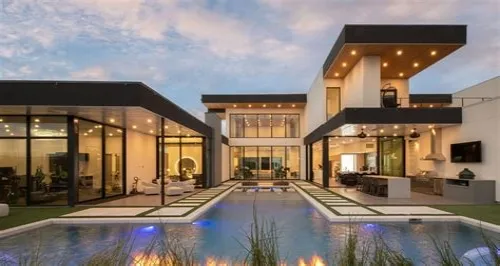
Imagine stepping into a world where luxury seamlessly combines with sustainability, where opulence meets environmental consciousness. Picture a home that not only exudes elegance and sophistication but also adapts to the changing climate, ensuring comfort and efficiency year-round. In the realm of custom-built luxury homes for sale, a new trend is emerging - one that prioritizes not only aesthetics and extravagance but also resilience and sustainability. These homes are not just architectural marvels; they are testaments to a new era of living in harmony with the environment. From energy-efficient features to climate-adapted designs, these homes offer a glimpse into the future of luxury living. Join us as we explore the world of climate-adapted elegance in custom-built luxury homes, where beauty meets functionality, and sustainability is the ultimate luxury.
Incorporating Sustainable Design Elements
As the push for sustainability and environmental consciousness continues to grow, luxury home builders are increasingly incorporating sustainable design elements into their custom-built homes. These elements not only reduce the environmental impact of the home but also enhance its overall elegance and appeal.
One of the key sustainable design elements that luxury home builders are incorporating is energy-efficient systems. This includes the use of high-performance insulation, energy-efficient windows, LED lighting, and smart home technology to optimize energy usage. By reducing energy consumption, these systems not only lower utility bills but also minimize the home's carbon footprint.
In addition to energy-efficient systems, luxury homes are also integrating renewable energy sources such as solar panels and geothermal heating and cooling systems. These systems harness natural resources to power the home, reducing reliance on traditional energy sources and further decreasing the home's environmental impact.
Water conservation is another crucial aspect of sustainable design in luxury homes. Builders are incorporating features such as low-flow fixtures, rainwater harvesting systems, and drought-resistant landscaping to reduce water usage and promote efficient water management. These features not only benefit the environment but also help homeowners save on water bills.
Material selection plays a significant role in sustainable design as well. Luxury home builders are increasingly using eco-friendly materials such as reclaimed wood, bamboo flooring, recycled glass countertops, and low-VOC paints and finishes. These materials are not only sustainable but also contribute to a healthier indoor environment for the homeowners.
Furthermore, luxury homes are being designed with passive design strategies to maximize natural light and ventilation, reducing the need for artificial lighting and heating or cooling. Features such as large windows, skylights, and strategic landscaping not only enhance the aesthetic appeal of the home but also improve its energy efficiency.
Case studies have shown that incorporating sustainable design elements in luxury homes can have a significant impact on the home's value and marketability. Buyers are increasingly seeking homes that prioritize sustainability, and homes with green features tend to command higher resale values and attract more discerning buyers.
In conclusion, sustainable design elements are becoming increasingly integral to the construction of custom-built luxury homes. From energy-efficient systems to renewable energy sources, water conservation measures, eco-friendly materials, and passive design strategies, these elements not only reduce the environmental impact of the home but also enhance its elegance and appeal. Luxury home builders are recognizing the importance of sustainability and are embracing these design elements to create homes that are not only luxurious but also environmentally conscious.
Utilizing High-Tech Climate Control Systems
When it comes to designing and building custom luxury homes that are climate adapted, one of the most crucial elements to consider is the implementation of high-tech climate control systems. These systems not only enhance the overall comfort and livability of the home but also contribute significantly to energy efficiency and sustainability.
One of the key components of high-tech climate control systems is smart thermostats. These devices are equipped with advanced sensors and algorithms that allow homeowners to regulate the temperature and humidity levels in their homes with precision. Smart thermostats can learn the occupants' daily routines and adjust the heating and cooling settings accordingly, leading to energy savings of up to 20%.
Moreover, the integration of smart zoning systems in custom luxury homes allows for different areas of the house to be heated or cooled independently. This not only provides personalized comfort for the occupants but also helps reduce energy waste by avoiding heating or cooling unused spaces.
Another innovative technology that is revolutionizing climate control in luxury homes is geothermal heating and cooling systems. By harnessing the constant temperature of the earth below the surface, these systems can efficiently heat or cool a home with minimal energy consumption. Geothermal systems are not only environmentally friendly but also cost-effective in the long run, as they can significantly reduce energy bills.
Furthermore, high-tech climate control systems in custom luxury homes often include advanced ventilation and air purification systems. These systems not only ensure a constant supply of fresh air but also filter out pollutants, allergens, and other harmful particles, creating a healthier indoor environment for the occupants.
Case studies have shown that homes equipped with high-tech climate control systems not only offer superior comfort and energy efficiency but also command higher resale values. Potential buyers are increasingly looking for homes that are equipped with smart technologies that enhance their quality of life and reduce their environmental footprint.
In conclusion, the utilization of high-tech climate control systems in custom luxury homes is essential for creating spaces that are not only elegant and luxurious but also sustainable, energy-efficient, and comfortable. By incorporating smart thermostats, zoning systems, geothermal heating and cooling, and advanced ventilation and air purification systems, homeowners can enjoy a truly climate-adapted living experience.
Integrating Natural Elements for Energy Efficiency
Integrating natural elements for energy efficiency is a fundamental aspect of designing and building climate-adapted luxury homes. By harnessing the power of nature, homeowners can significantly reduce their energy consumption and environmental impact while enjoying a comfortable living space. There are several key strategies that can be implemented to achieve this goal, from passive design techniques to advanced sustainable technologies.
One of the most effective ways to enhance energy efficiency in luxury homes is through proper orientation and placement of the building on the site. By orienting the home to take advantage of natural sunlight and prevailing winds, designers can maximize natural lighting and ventilation, reducing the need for artificial lighting and mechanical cooling and heating systems. This not only decreases energy consumption but also enhances the overall comfort and wellness of the occupants.
Incorporating high-performance insulation materials and energy-efficient windows and doors is another crucial element in creating an energy-efficient luxury home. By minimizing heat loss and gain through the building envelope, homeowners can maintain a stable indoor temperature year-round, reducing the need for excessive heating or cooling. Additionally, selecting energy-efficient appliances and lighting fixtures can further reduce energy consumption and utility costs.
One innovative way to integrate natural elements for energy efficiency is through the use of green roofs and living walls. Green roofs provide insulation, reduce stormwater runoff, and absorb heat, helping to regulate indoor temperatures and improve air quality. Living walls not only enhance the aesthetics of the home but also act as natural air purifiers, filtering out pollutants and providing a healthier indoor environment.
Another strategy for increasing energy efficiency in luxury homes is the use of renewable energy sources such as solar panels and geothermal heating and cooling systems. By harnessing the power of the sun and the earth, homeowners can generate clean, sustainable energy to power their homes and reduce their reliance on traditional fossil fuels. This not only reduces carbon emissions but also provides long-term cost savings and energy independence.
Case studies have shown that integrating natural elements for energy efficiency in luxury homes can have a significant impact on both the environment and the homeowner's quality of life. For example, a luxury home in California that incorporated passive solar design principles and energy-efficient technologies reduced its energy consumption by over 50% compared to a conventional home of similar size. This resulted in lower utility bills, improved indoor comfort, and a reduced carbon footprint.
In conclusion, integrating natural elements for energy efficiency is a critical component of designing climate-adapted luxury homes. By combining passive design techniques, sustainable materials, renewable energy sources, and innovative technologies, homeowners can create beautiful, comfortable, and environmentally friendly living spaces that reflect their commitment to sustainability and responsible stewardship of the planet.
Balancing Luxury and Environmental Responsibility
In today's world, luxury living and environmental responsibility are no longer mutually exclusive concepts. The demand for custom built luxury homes that are not only elegant and opulent but also sustainable and environmentally friendly is on the rise. Homebuyers are increasingly looking for properties that offer a perfect balance between luxury and environmental responsibility.
One of the key ways in which luxury home builders are achieving this balance is through the use of cutting-edge green technologies and sustainable building materials. From solar panels and geothermal heating systems to energy-efficient appliances and sustainable wood flooring, there are a plethora of eco-friendly options available to luxury home buyers.
For example, some luxury homes are now being equipped with smart home technology that allows homeowners to monitor and control their energy usage in real-time. This not only helps reduce energy consumption and lower utility bills but also minimizes the home's carbon footprint.
Furthermore, luxury home builders are increasingly incorporating green spaces and natural elements into their designs to create a harmonious blend of luxury and nature. Rooftop gardens, living walls, and indoor atriums are just a few examples of how luxury homes can be designed to promote sustainability and environmental responsibility.
Another important aspect of balancing luxury and environmental responsibility in custom built homes is the use of sustainable building practices. This includes everything from using recycled materials and reducing waste during construction to implementing water-saving features and promoting biodiversity on the property.
Case studies have shown that luxury homes built with a focus on environmental responsibility not only have a lower impact on the planet but also offer a higher quality of living for their occupants. These homes are often healthier, more comfortable, and more cost-effective to maintain in the long run.
In addition, luxury home buyers are increasingly drawn to properties that have been certified as green buildings by reputable organizations such as LEED (Leadership in Energy and Environmental Design) or ENERGY STAR. These certifications not only validate the home's sustainable features but also add value to the property and appeal to environmentally conscious buyers.
Ultimately, the trend towards climate adapted elegance in custom built luxury homes for sale is a reflection of a growing awareness of the importance of environmental responsibility in the real estate industry. By striking a balance between luxury and sustainability, luxury home builders are not only meeting the demands of discerning buyers but also contributing to a more sustainable future for generations to come.
In conclusion, the article highlights the growing trend of climate-adapted luxury homes that are not only aesthetically pleasing but also environmentally friendly and energy-efficient. These custom-built homes are designed to withstand the challenges of climate change while offering unparalleled comfort and luxury to homeowners. The use of sustainable materials, energy-efficient technologies, and innovative design strategies ensure that these homes have a minimal impact on the environment. The integration of nature into the design further enhances the beauty and elegance of these homes, creating a harmonious blend between indoor and outdoor spaces. Potential buyers looking for luxury homes that prioritize sustainability and resilience will find these climate-adapted homes to be a perfect choice. Overall, the article emphasizes the importance of adapting to the changing climate by incorporating sustainable practices into the design and construction of luxury homes, setting a new standard for elegance and sophistication in the real estate market.